
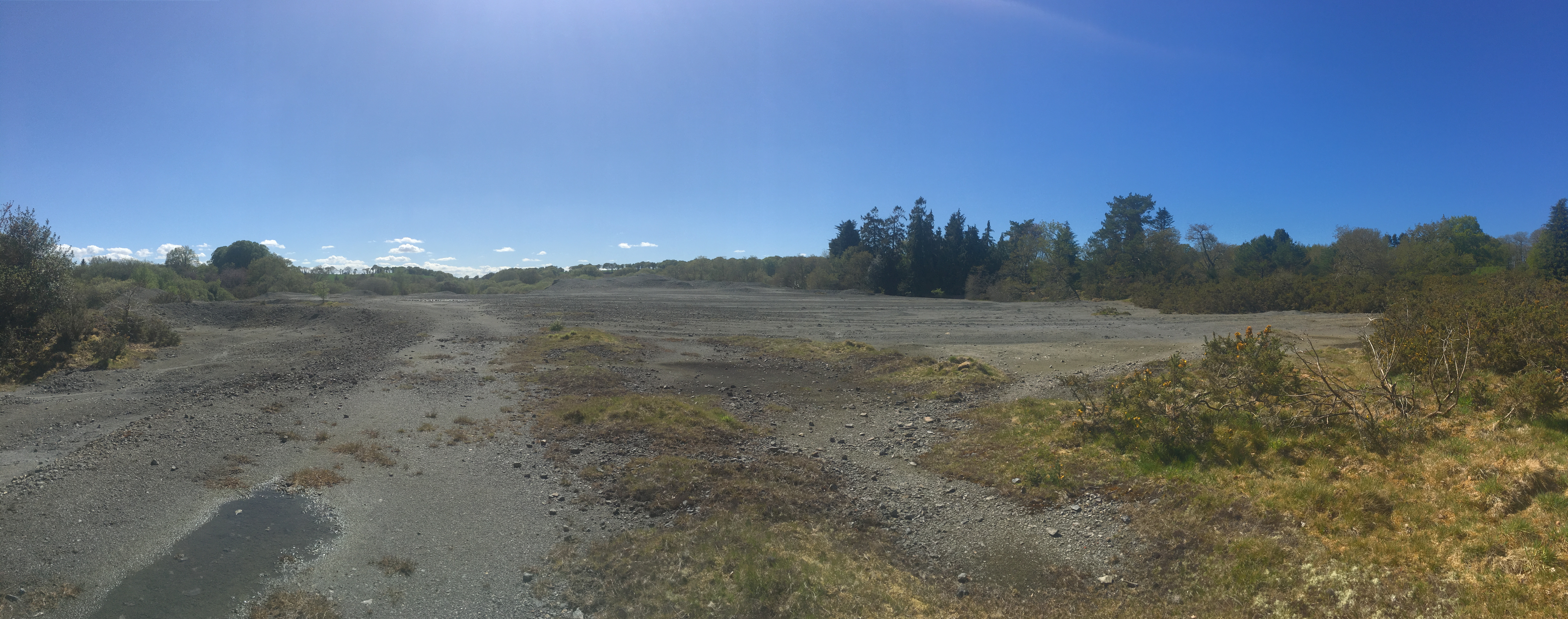
Though there is no comparison with the overall industrial activity of the 18th and 19th centuries, the Huelgoat-Poullaouen facility did have a real impact on the local environment. First of all in terms of deforestation, both to support the mineshafts and above all for burning in the furnaces, the Company used up nearly 3000 cords of wood, 500,000 bundles of kindling and 12,000 barrels of charcoal per year. This had a direct impact on the price of fuel, something the inhabitants of Carhaix complained about continuously, as well as on other industrial activities. The company bought the 5,000 hectare forest of Beffou, and within seven years had razed it.
In addition, local river water became very intensely polluted by the waste from the washing plants, which consumed huge quantities of water in order to separate the lead from the mud and other impurities. The vast majority of the lime sulphur was released into rivers, polluting them for tens of kilometres, as a damning description of the site by Jean-François Brousmiche explains: “A huge plateau that is always covered in a layer of dust and a blackish mud, both caused by the leftover residue from washing the ore […] All around the mine the landscape has been debased; everything stagnant, nothing seems to grow on the site. At ground level, the grass withers, the trees can barely stand upright. One must move away from the establishment to find shade. When the thick black smoke snakes out of the foundry’s chimneys, the landscape takes on a dismal hue. The water which comes from two pools a little further from the mine, having been used in the stamp mills to wash the ore, and the muddy waters full of dangerous substances flow into a canal which crosses the whole of the area given over to the Poullaouen mining establishments, and are later released into the River Aulne, introducing their destructive poisons to the green and pleasant banks, drying out the fields and killing the fish that populate the river. From Poullaouen to the confluence of the Aulnes with the Hyères over a distance of three or four leagues, there are no more salmon, and trout and eels are few and far between.
Translation: Tilly O'Neill
